Featured

Agressive behaviour in Teens and Adults

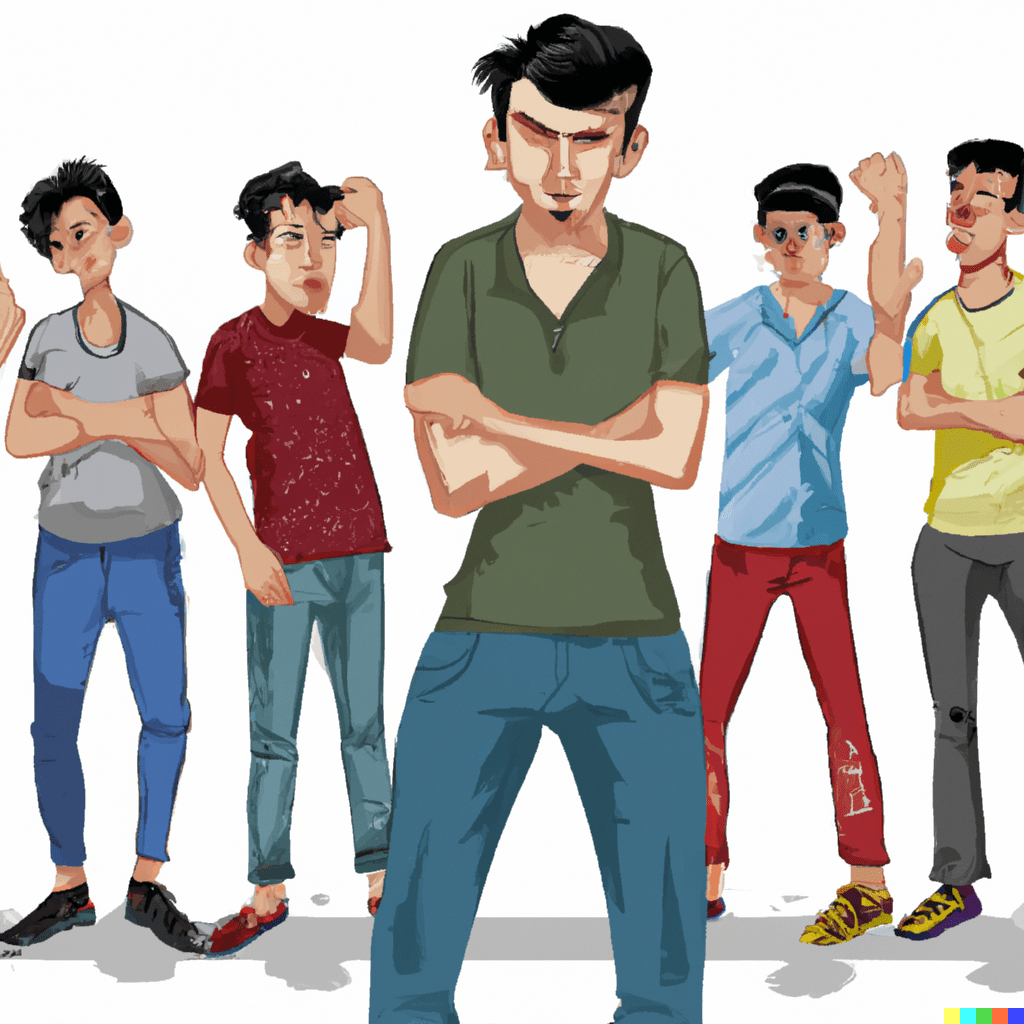
In recent years, there has been a growing concern about the rising problem of hyper aggressive behavior in teens and adults. This type of behavior is characterized by excessive aggression, impulsivity, and a lack of empathy or concern for others. This can manifest in various forms, such as verbal or physical abuse, bullying, or even criminal activity.

One of the primary causes of this behavior is the constant exposure to violence in media. From video games to movies and television shows, violence is often portrayed as a normal or acceptable way to solve problems. This can lead to desensitization to the consequences of violence, and can make it easier for individuals to engage in aggressive behavior.

Another cause of hyper aggressive behavior is a lack of proper emotional regulation. Many individuals who exhibit this type of behavior have a hard time controlling their emotions and may lash out in anger or frustration without thinking about the consequences. This can be a result of a lack of proper parenting or a lack of emotional intelligence.

Additionally, there are other factors that can contribute to hyper aggressive behavior, such as mental health issues, substance abuse, or a traumatic event. These underlying issues can exacerbate the problem and make it harder for individuals to control their behavior.

It is important to address this problem as it can have serious consequences for both the individuals who exhibit the behavior and those around them. There are several ways to address this issue, including therapy, medication, and education. For example, therapy can help individuals learn how to manage their emotions, while medication can be used to address underlying mental health issues. Education on the negative effects of violence in media and proper emotional regulation can also be beneficial.

Overall, the problem of rising hyper aggressive behavior in teens and adults is a serious concern that needs to be addressed. By understanding the causes and seeking help and support, individuals can learn to control their behavior and lead healthier, more fulfilling lives.

Modern Lifestyles and Sleep Disorders: Finding Your Path.

🌙 Understanding the Escalating Issue of Sleep Disorders 🌙

In recent times, the prevalence of sleep disorders has surged, raising concerns across the nation. Let’s take a closer look at this growing problem, its underlying causes, associated health risks, and how lifestyle modifications hold the key to a lasting cure. 🛌

😴 The Alarming Surge:

Our modern way of life, characterized by prolonged screen exposure and sedentary routines, has disrupted our sleep patterns.

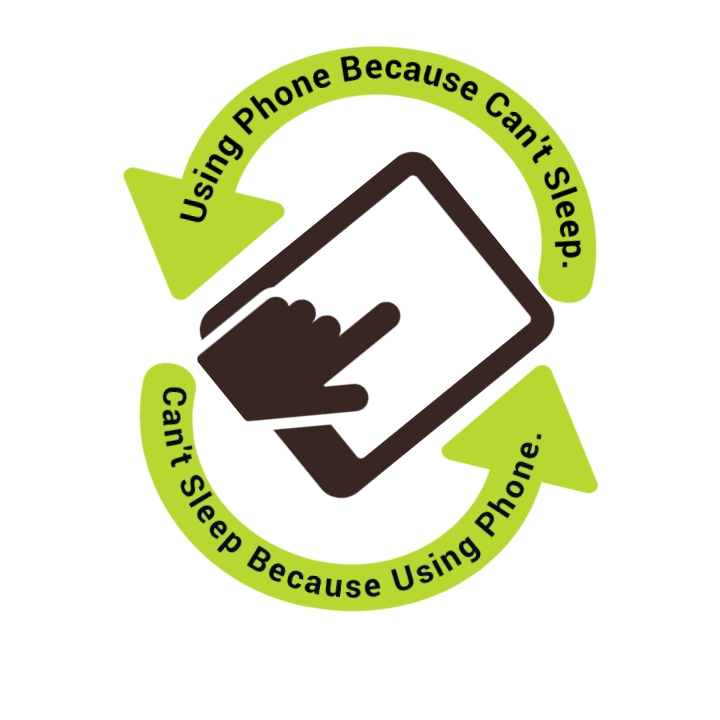
📱💤 “Using the phone because can’t sleep – can’t sleep because using the phone”

This has become an all-too-familiar cycle. The lack of physical activity and the prevalence of unhealthy dietary choices further contribute to this issue. The age-old remedy of counting sheep doesn’t suffice anymore.

💤 A Web of Health Complications:


Sleep disorders don’t arrive alone; they bring along a host of unwelcome companions, including obesity, heart disease, diabetes, and compromised immunity. The risks are profound and unsettling. 🚫❤️

🚫 Substances disturbing Sleep:


Coffee, tea, nicotine, caffeine-based drinks, alcohol, cigarettes, and illicit substances are notorious sleep disruptors. Their stimulating effects wreak havoc on sleep patterns, leading to further health issues. They are also closely linked to heightened stress, anxiety, and depression, which can inadvertently fuel alcoholism and drug abuse.

🍏 Healing Lies in Lifestyle Choices:


Thankfully, the journey towards recovery begins with lifestyle modifications. Prioritize reducing screen time before bedtime, maintain a balanced diet, and introduce regular physical activity into your daily routine. 🏋️🍏

💊 The Medication puzzle:


While medication may offer temporary relief, it often comes with unintended side effects, sometimes causing more harm than good. 🚑 It’s crucial to focus on holistic approaches that address the root causes.

👐 The Soothing Touch of Physiotherapy:


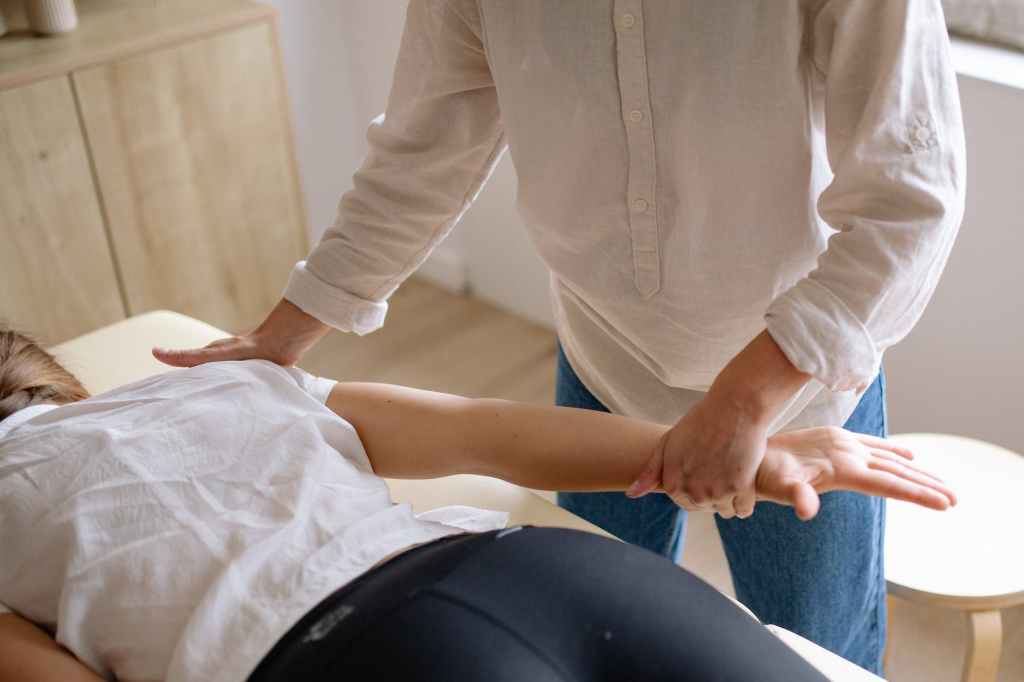
🩺💆‍♀️ Physiotherapy provides a non-invasive and effective solution. Targeted exercises, gentle stretching routines, and postural correction can significantly improve sleep quality, reduce stress, and enhance overall well-being. Additionally, relaxation techniques and music therapy can aid in calming the mind. Socializing and building a support network are also integral components of a holistic approach.

🏋️‍♀️ Tailored Exercise Regimen:
Consider integrating exercises such as:

  • Evening stretches to relax tense muscles.
  • Aerobic activities to promote overall health.
  • Mind-body exercises like yoga to induce relaxation.

💪 Take Charge of Your Sleep Health:
Join the journey towards rejuvenating sleep and lasting vitality. Your health and well-being deserve nothing less! 💤🌟

“Sleep is the Best Meditation.”

Dalai Lama (Tenzin Gyatso).

Physiotherapy & the World.

Physiotherapy


Importance of Physiotherapy.


Physical Inactivity Health Risks

Lack of Physical Activities and Exercise can lead to a variety of health problems, including obesity, type 2 diabetes, heart disease, and certain types of cancer. Additionally, a sedentary lifestyle can lead to poor mental health and a decreased sense of well-being. To maintain good health, it is recommended that adults engage in at least 150 minutes of moderate-intensity aerobic activity or 75 minutes of vigorous-intensity aerobic activity per week, in addition to muscle-strengthening activities at least two days per week.

Physiotherapy,

Also known as physical therapy or Fisioterapia, is a healthcare profession that aims to improve and maintain physical function, mobility, and quality of life through the assessment, diagnosis, treatment, and prevention of musculoskeletal and other related conditions.

In today’s world, physiotherapy plays an important role in the management of a wide range of conditions, including chronic pain, arthritis, stroke, spinal cord injuries, and sports injuries. Physiotherapists use a variety of techniques, such as exercise, manual therapy, and modalities such as heat and cold therapy to help patients achieve their goals.

The importance of physiotherapy in today’s world is also highlighted by the increasing prevalence of chronic conditions and an aging population. Physiotherapy can help individuals maintain their independence and improve their quality of life, even as they age.

Furthermore, Physiotherapy can also help to prevent injuries and reduce the risk of falls, which is particularly important for older adults.

In summary, Physiotherapy plays an essential role in promoting physical health and well-being, and its importance is likely to continue to grow in today’s world as the population ages and the prevalence of chronic conditions continues to rise.

Physiotherapy & Rehabilitation.

Physiotherapy and rehabilitation are closely related fields that work together to help individuals recover from injury, illness, or surgery. Physiotherapy is a healthcare profession that aims to improve and maintain physical function, mobility, and quality of life through the assessment, diagnosis, treatment, and prevention of musculoskeletal and other related conditions. Rehabilitation, on the other hand, is the process of helping an individual return to their normal activities and level of functioning after an injury or illness.

Rehabilitation can include physiotherapy as well as other modalities such as occupational therapy, speech therapy, and psychological support. Physiotherapy can play a key role in rehabilitation by helping to reduce pain, improve mobility, and restore strength and function to the affected body parts.

The physiotherapist will conduct an assessment and create a treatment plan tailored to the individual’s specific needs and goals. This may include exercises to improve strength, flexibility, and range of motion; manual therapy to reduce pain and improve function; and education on how to prevent further injury.

In summary, Physiotherapy and rehabilitation are closely related fields that work together to help individuals recover from injury, illness, or surgery. Physiotherapy is an essential component of rehabilitation, and it plays a vital role in helping individuals achieve their goals and return to their normal activities and level of functioning.

Rehabilitation Medicine

According to various estimates, about 5 to 10 percent of the world’s population
is affected by one or more disabilities. In our country (with a population of
over 100 crores now) the National Sample Survey 2001 has estimated that about
2.19 crores or nearly two percent of the population, who experience difficulty
in walking or using their limbs, or suffer from visual, hearing or mental
impairment. Since over 70 percent of our population is in rural areas, the
number of those with less severe disability could be much larger. Also the
extent of disability and handicap is quite variable in the minds of several
people, and what construes disability to one person seems perfectly normal
to another.
Prevalence of disability was marginally more among males. In modern
society, acting independently is of supreme importance—be it in the area of
personal care, day to day activities, cooking, studies, or for that matter
anything that requires human endeavor or pursuit. It is in these areas that
a disabled person suffers most; socially, economically, psychologically and
emotionally.
Due to physical or mental handicap a disabled person cannot act
independently in many spheres of life and hence faces many problems in his
social adjustment. His incapacity generates emotional problems like apathy,
self-pity and resentment and he tends to isolate himself from society.
This is seen in the statistics, which show that an abysmally low percent
of persons with disability in rural India have an educational level of
secondary education, and above. A small minority of seven percent is
employed regularly.
Rehabilitation is not just the responsibility of a few NGOs or the government.
It is the collective responsibility of the society consisting of able bodied
individuals. The role of rehabilitation is to minimize disability and handicap,

and help a handicapped person lead a useful life within his limitations, in other
words, to make a disabled person into a “differently abled” person.

WHAT IS REHABILITATION?

Rehabilitation focuses on the existing capacities of the handicapped person,
and brings him to the optimum level of his or her functional ability by the
combined and coordinated use of medical, social, educational, and vocational
measures.

It makes life for the handicapped individual more meaningful, more
productive and therefore adds more life to years.

It is the third phase of medical care; after preventive and curative.
Preventive medicine is the first phase where a disease is prevented from
occurring, by avoiding the interaction between agent, host and environment.
Curative medicine, the second phase focuses on attempting to cure the disease.
Most doctors practice curative medicine. However there are several conditions
like rheumatoid arthritis which has no cure, and others, like poliomyelitis in
which the agent causing the disease has been eliminated from the host, but
residual effects like paralysis still persist. Therefore, there is a need for a third
phase, namely rehabilitation, which is not just medical but also a social
responsibility.
Rehabilitation must, be started at the earliest possible time in order to ensure
the best results. It is administered in conjunction with specific medical or
surgical treatment of the precipitating disease.
Rehabilitation may be medical or sociovocational. Medical rehabilitation
is the utilization of medical and paramedical skills to help treat the patient.
The role of medical rehabilitation is to limit disability. Sociovocational rehabilitation
follows, or sometimes is delivered simultaneously along with medical
rehabilitation. The role of sociovocational rehabilitation is to limit handicap.

Design a site like this with WordPress.com
Get started